
Designing stability for humans and organizations in an accelerating world.
Over the past decade, Tim has worked at the intersection of community building, architecture and the future of work, sharing his ideas on stage since 2015.
Tim is the founder of Citizen Circle, the largest German-speaking community for remote solopreneurs. Over the past decade, he has built platforms & events that bring people together around freedom, work, and belonging.
With a background in architecture and years of speaking experience, Tim brings a rare perspective on how human stability, belonging, and social systems will shape the future of work, leadership, and places.
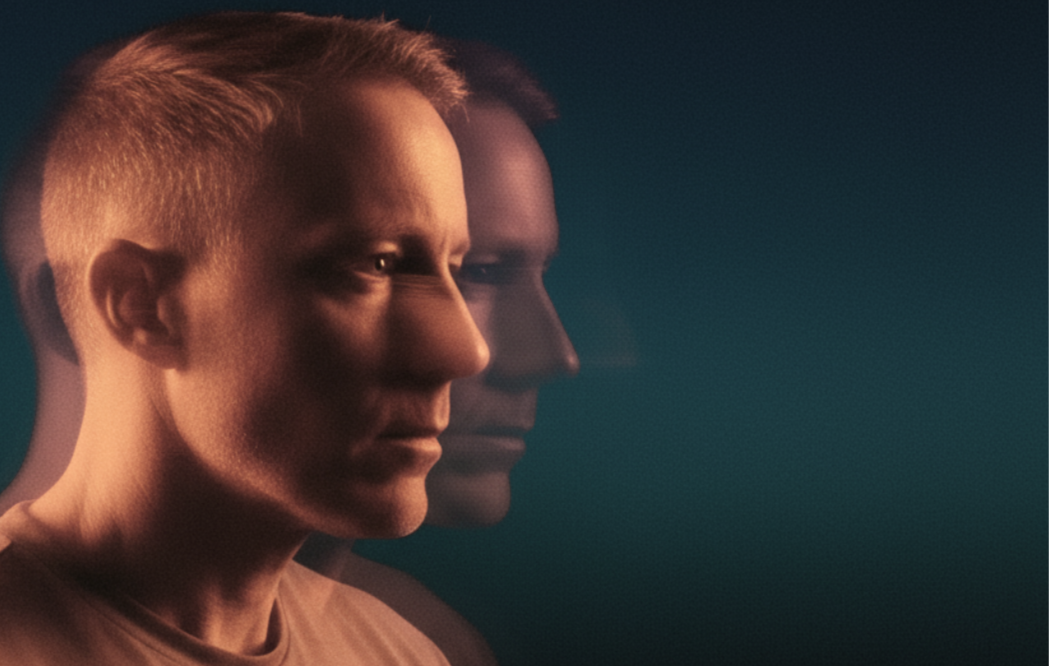
What keeps humans and organizations stable when everything accelerates?
The future will not be shaped by technology alone. It will be shaped by how stable humans remain within it.
As AI accelerates work, information, and decision-making, many people and organizations are losing the systems that once created clarity, trust, and cohesion.
What looks like a culture problem is often a stability problem. What looks like a people problem is often a systems problem.
That is where this work begins.
The Belonging Infrastructure Framework
Belonging is not created through intention alone. It emerges when architecture, community building, and rituals are designed to work together.
Architecture shapes how people arrive, move, and notice one another. Transitions, visibility, and thresholds determine whether interaction feels natural or avoidable. Community building provides the social structure—clear roles, simple rules, and shared expectations—that reduces friction and makes participation feel safe.
Rituals create rhythm. Through repetition and shared anchors, they turn occasional encounters into familiarity and trust. When these three layers align, belonging becomes reliable rather than accidental and can be designed and sustained.
About Tim Chimoy
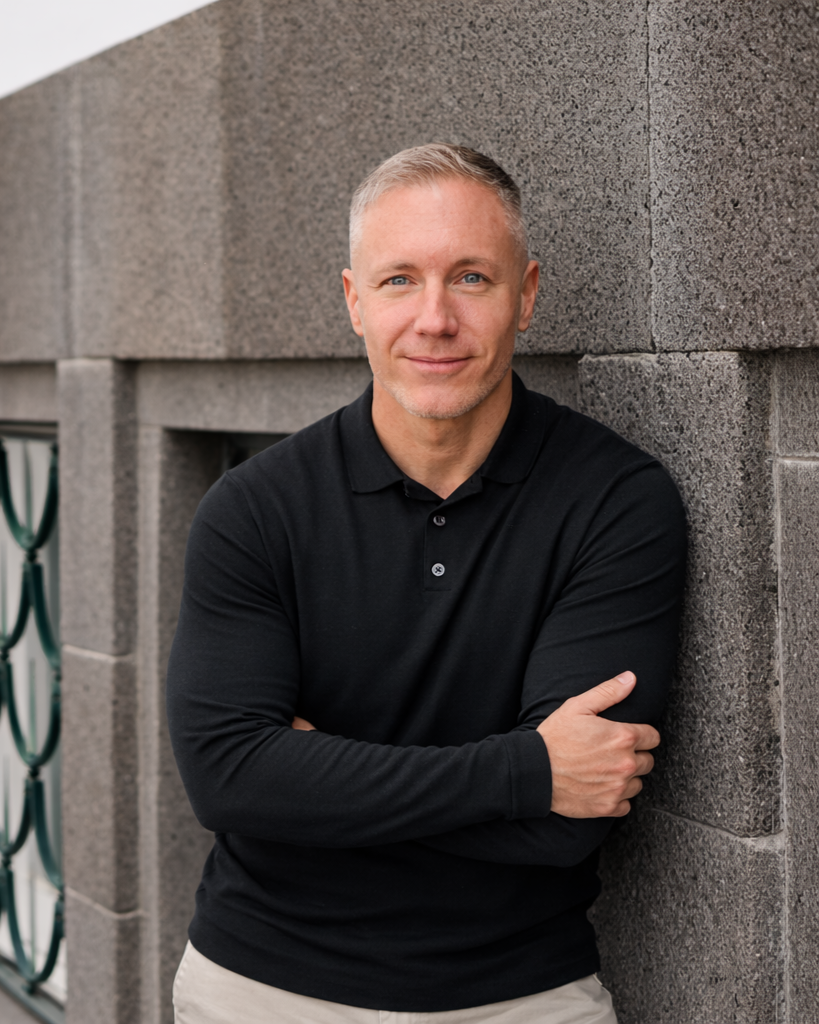
Tim Chimoy is a futurist and speaker with a background in architecture and over a decade of experience building communities. He began his career designing hospitality and office environments across Europe and Asia, then went on to found Citizen Circle, the largest German-speaking community for remote solopreneurs.
Today, he works at the intersection of human systems, future of work, and belonging infrastructure. His keynotes help audiences understand how to stay clear, connected, and resilient in a world that is moving faster than humans can naturally adapt.